
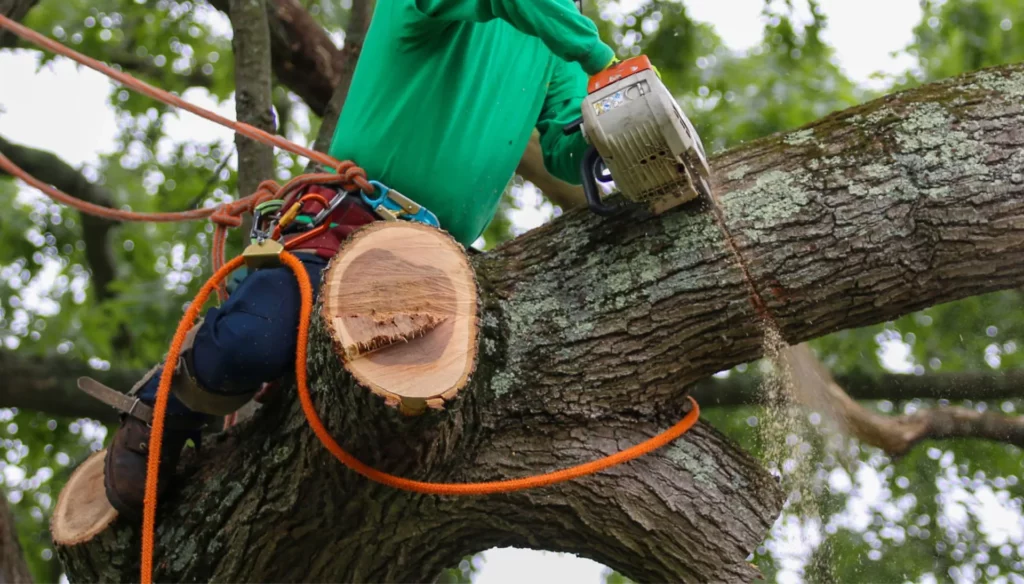
Tree work in Sydney’s North Shore can feel straightforward until paperwork hits a council inbox. Many first-time rejections happen because the application does not match what Ku-ring-gai Council expects, even when the tree genuinely worries the owner.
This guide explains why tree removal Killara requests get knocked back, what triggers refusals, and how applicants can improve their chances next time.
Why do councils reject tree removal applications so often?
They reject applications when the evidence does not meet the legal test under the local tree controls. In Ku-ring-gai, that usually means the tree is protected by size, species, or location and the application does not prove a valid reason to remove it.
Most refusals are procedural, not personal. The file simply lacks the right detail, documentation, or alignment with planning rules.
What rules apply to tree removal in Killara?
In Killara, applications generally sit under Ku-ring-gai Council’s tree management framework and can intersect with NSW planning rules. If the tree meets the protected threshold, council expects a formal process, clear justification, and often an arborist report.
For tree removal Killara, the key issue is that applicants assume “it’s on private land” equals “it’s their choice.” Councils treat protected trees as part of the broader urban canopy.
Are applicants choosing the wrong approval pathway?
Yes, often. Rejections happen when they lodge the wrong form, choose “pruning” when it is effectively removal, or fail to link the work to the correct property details and controls.
A common example is proposing to “reduce to a stump” while calling it a prune. For tree removal Killara, council will usually treat that as removal and assess it under stricter criteria.
Is the application missing an arborist report or using a weak one?
Frequently. Councils tend to rely on qualified, well-structured arborist evidence, not opinions or photos alone. If the report is light on diagnostics, does not reference standards, or fails to explain risk, rejection is likely.
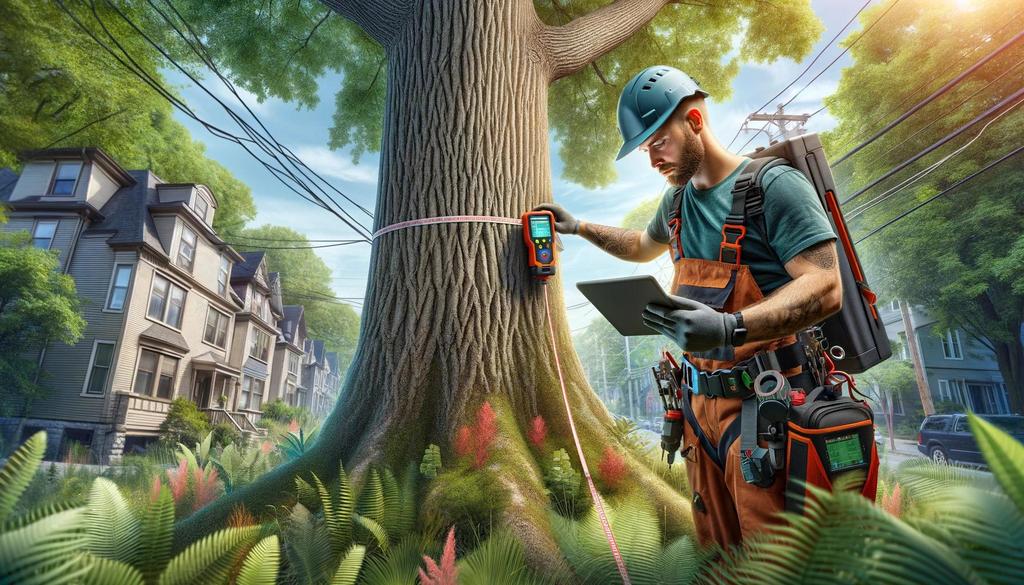
For tree removal Killara, a strong report typically includes tree identification, size, useful life expectancy, structure, health, risk rating, and clear reasoning for removal versus alternatives.
Are the photos and site details too vague?
Yes. Many applications include a few close-up shots that do not show targets, setbacks, neighbouring trees, or the lean and canopy spread. Council assessors need context, not just symptoms.
For tree removal Killara, better applications include wide angles, canopy and trunk images, root zone shots, and a simple site plan marking the tree, structures, driveways, and neighbouring dwellings.
Are they claiming “the tree is dangerous” without proving risk?
That is one of the fastest paths to rejection. Councils usually need a clear risk pathway: defect, likelihood of failure, consequence, and targets. Without that chain, “unsafe” reads as a preference rather than a hazard.
With tree removal Killara applications, risk claims land best when supported by evidence like decay detection, included bark, significant root plate movement, pest damage, or documented limb failures.
Other Resources : About pest animals and weeds – Environment and Heritage
Are they relying on the wrong reasons, like mess, shade, or blocked views?
Often. Leaf drop, pollen, blocked light, slippery paths, and view loss are common complaints, but they rarely satisfy removal thresholds for protected trees. Councils typically consider these amenity issues manageable with maintenance.
For tree removal Killara, applicants who focus on nuisance reasons usually need a different strategy, such as compliant pruning, gutter guards, or redesigning garden beds rather than removal.
Do heritage and streetscape factors trigger refusals?
Yes, especially in older North Shore suburbs where streetscape character matters. If the tree contributes to a heritage setting or established canopy, council may resist removal unless the case is compelling.
In tree removal Killara matters, assessors can weigh neighbourhood canopy, landscape character, and whether removal would create an undesirable gap along the street or between lots.
Are there errors about tree ownership or boundary location?
This is a quiet rejection driver. They might assume a tree is theirs, but the trunk is on the boundary, or it is partly on a neighbour’s land, or it sits on the nature strip and is council-managed.
For tree removal Killara, applicants should confirm the trunk location, not just the canopy. A quick survey, clear measurements, or boundary reference on a site plan can prevent an avoidable refusal.
Is the proposed work too broad or poorly described?
Yes. “Remove two gums near the fence” is not a proper scope. Councils expect exact tree identification, diameter, species, and method, plus whether stump grinding is included and how the site will be restored.
With tree removal Killara, unclear scope creates doubt. Doubt usually leads to a request for more information or a rejection if the assessor cannot properly assess impacts.
Are they ignoring alternatives that council expects to be tried first?
Sometimes. Councils often prefer retention with mitigation, like targeted pruning, cabling, barrier installation, or minor redesigns. If the application jumps straight to removal without addressing options, it can look premature.
For tree removal Killara, showing that alternatives were assessed and ruled out for specific reasons can be the difference between a refusal and approval.
Does timing and seasonal context affect the outcome?
It can. After storms, councils see a spike in requests, and assessors may apply tighter scrutiny where panic removals are common. Wildlife constraints also matter, especially if hollows or nesting activity is possible.
In tree removal Killara, applicants improve outcomes by addressing habitat features early, noting any hollows, and arranging inspections that consider local fauna obligations.
Are replacement planting plans missing or unrealistic?
Yes. Councils often ask what will replace the canopy loss. If the application is silent on replanting, or proposes unsuitable species, or ignores space constraints, assessors may be less willing to approve.
For tree removal Killara, practical replanting helps. They can propose a suitable native or locally appropriate species, nominate pot size, and show planting location away from buildings and services.
Do common paperwork mistakes cause first-time rejection?
They do. Missing signatures, wrong lot/DP numbers, inconsistent addresses, outdated reports, and incomplete neighbour details can all stall or sink an application.
For tree removal Killara, administrative accuracy matters because it signals that the applicant understands the seriousness of protected tree controls.
What can applicants do to improve approval chances next time?
They can tighten the evidence, clarify scope, and align their reasoning to the criteria council actually uses. Most successful applications read like a professional assessment package, not a complaint letter.
For tree removal Killara, a strong resubmission usually includes:
- A current arborist report with clear risk assessment and recommendations.
- A simple, labelled site plan showing the tree and nearby targets.
- Photo set with context, defects, and scale.
- Clear justification that addresses why pruning or mitigation is not sufficient.
- A realistic replacement planting proposal.
When should they consider getting professional help?
They should consider it when the tree is large, close to structures, potentially habitat-bearing, or likely protected. An arborist who knows Ku-ring-gai processes can frame evidence in a way assessors can rely on.
For tree removal Killara, professional help also reduces accidental non-compliance. Unapproved work on protected trees can lead to penalties and make future applications harder.
How can they avoid a rejection without overcomplicating the application?
They can keep it simple but complete. The goal is to answer the assessor’s questions before they are asked: what tree, why removal, what evidence, what alternatives, what impacts, and what replaces it.
If they treat tree removal Killara as a mini planning submission, not a quick request, the first attempt is far less likely to be rejected.
What is the key takeaway about first-time rejections?
Most first-time refusals happen because the application does not prove the case under local rules, not because the council is automatically against removal. When they bring clear arborist evidence, accurate site details, and a credible replacement plan, outcomes usually improve.
For anyone preparing a tree removal Killara request, the best approach is to document risk properly, describe the work precisely, and show they have considered retention options before asking for removal.
More to Read : The Tree Services St Ives Residents Request Most Often